What is your organization building to last?
Year-end: beyond the goals, what is being built to last?
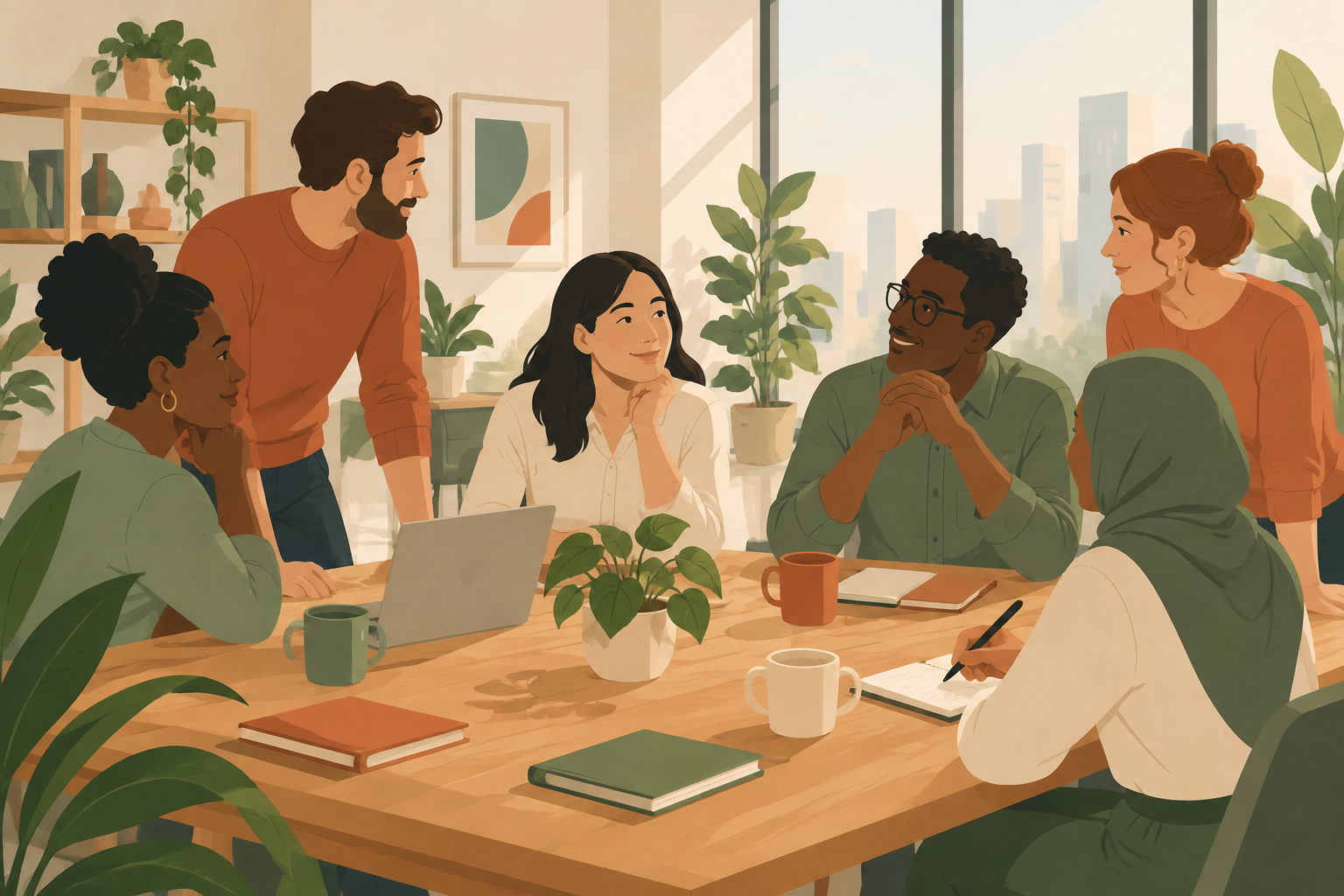
The end of the year has this curious effect on organizations: everyone looks at the numbers, at the goals met or missed, at the projects left behind. It is a legitimate moment of review. But there is one question that usually stays out of this exercise, and it seems more important to me than any short-term indicator.
What is actually being built to last?
I am not talking about processes or technologies, which change every cycle. I mean something more fundamental: the relationships within teams, the quality of the bond between leaders and employees, and the real sense of belonging people carry when they walk through the company's door every day.
Leadership that includes before it demands
There is a very common misconception in organizational environments: the idea that inclusion is a specific program, a one-off HR initiative, or something that needs a commemorative date to gain visibility.
Real inclusion happens earlier. It happens in the Monday meeting, when someone on the team tries to contribute and is interrupted. It happens in the email that never reaches certain people. It happens in the language of a presentation that assumes everyone shares the same cultural references.
Leading inclusively does not require a new training every quarter. It requires attention to everyday micro-behaviors, which added together build or destroy a team's culture.
What sustains an environment of belonging
From a human development perspective, belonging is not a feeling that simply appears because the company has good intentions. It is built, step by step, in the exchanges that happen between people.
Some questions worth asking before the year turns:
- Do the people on your team know, concretely, that their contributions matter?
- Is there room for disagreement without it costing dearly for those who disagree?
- Are the feedback processes in your organization instruments of development or of judgment?
- Do leaders have the habit of checking how people are doing before checking what they are delivering?
These questions have no right answer. But the honest willingness to answer them already says a lot about where the organization is and where it wants to go.
Building to last is an everyday choice
No organization builds a culture of belonging with a single program or a single action. Just as human development happens over time, in small accumulated interactions, organizational culture is formed in everyday life, not in big events.
The end of the year is a good time to review not only what was achieved, but the kind of environment being cultivated. Because next cycle's results will be, in large part, a product of the kind of relationships the organization is building now.
If this theme resonates with the moment your team is going through, I am available for a conversation. I work with leaders and organizations that want to turn intention into practice in the field of inclusion and human development.